
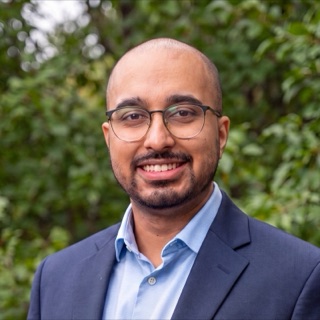
Sambit Panda, PhD
Co-founder & CEO
PhD, Biomedical Engineering, Johns Hopkins. Builds the system and leads commercial strategy.
We're building clinical decision support for physicians, with physicians, to solve that problem.
Retrospective validation across seven trauma centers · 1M+ records under analysis
A patient just arrived.
And many other patients at the same time.
Today the transfer call is placed late, after a long sequence of evaluation, much of it spent waiting on information that would not change the call. Moving the decision earlier in the sequence is what we are studying.
Placed earlier, the call waits only for the work that must happen before the patient can move.
With the call made earlier, the calls to the receiving hospital and the wait for EMS start sooner.
120 injured patients arrive at a small local hospital.
24 clearly qualify for transfer under established guidelines.
For the rest, Selja estimates what specialist care each one needs.
Selja suggests transfer when this hospital can't provide that care, and the doctor decides.
Nothing goes into clinical use before validation across hospital sites is complete, and no result is claimed before it has been reviewed. Methods and results will be reported through the channels clinicians already trust.
Cohorts under analysis in an ongoing academic research program; figures are current counts, not results.
Trauma surgery, biomedical engineering, and machine learning research, with the clinicians who make this call advising the work.
Co-founder & CEO
PhD, Biomedical Engineering, Johns Hopkins. Builds the system and leads commercial strategy.
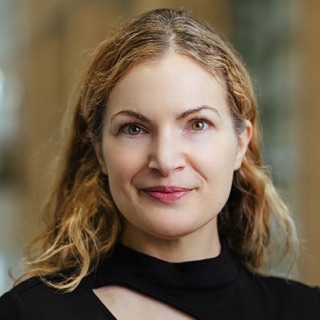
Co-founder & CSO
Burzik Endowed Professor, UT San Antonio. Research in computational modeling for medicine. Leads the scientific program.
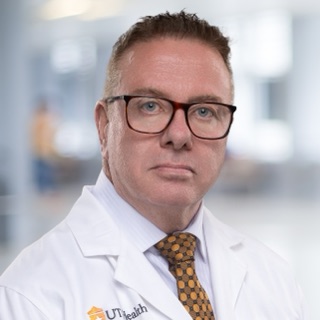
Senior Clinical Advisor
Served as the first Director of the U.S. Army's Joint Theater Trauma System. Advises on clinical protocol design, the surgeon-in-the-loop interaction model, and trauma system integration.
Clinical advisory board
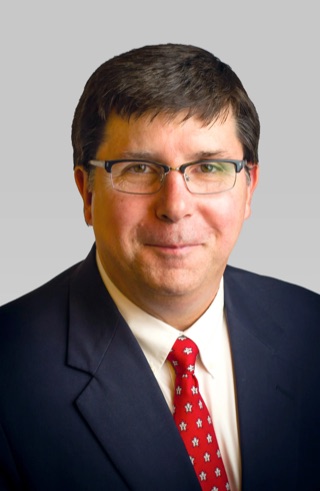
Ronald Stewart, MD, FACS
Chair of surgery at UT Health San Antonio and STRAC board chair since 1996.
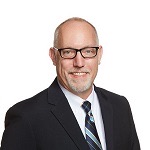
Alan Cook, MD, MS, FACS
Professor of surgery at UT Tyler and medical director of its trauma research center.
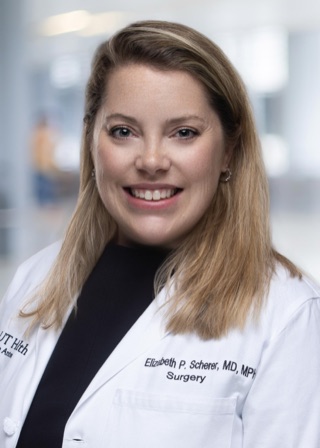
Elizabeth Scherer, MD
Trauma and critical care surgeon at UT Health San Antonio.
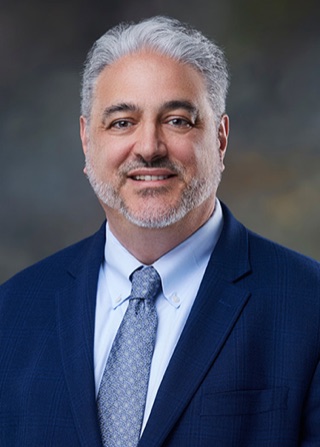
Mark Goldberg, MD
LeWinn Endowed Professor of Neurology at UT Health San Antonio and stroke specialist.
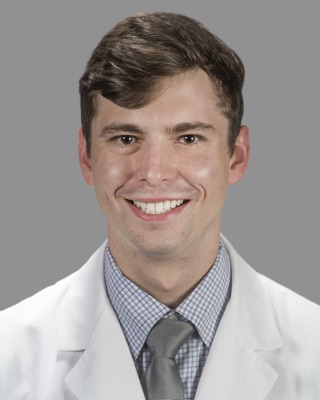
David Limon, MD
Trauma surgery resident at UT Health San Antonio.
Rachelle Jonas
Research operations manager at UT Health San Antonio.
Lauran Barry
Clinical research project manager at UT Health San Antonio.
Technical advisory board
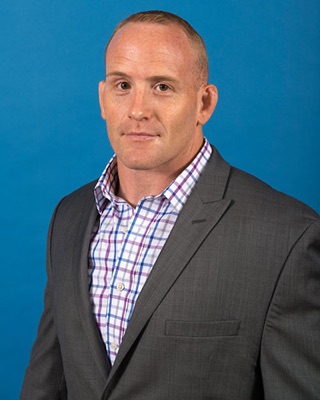
Chris Rathbone, PhD
Associate dean and professor of biomedical engineering at UT San Antonio.
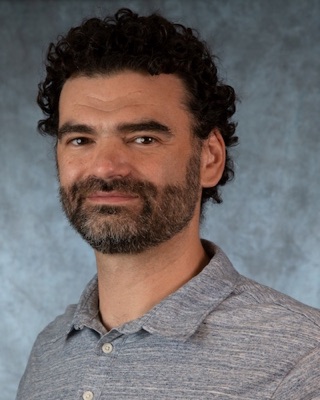
Joseph Houpt, PhD
Professor of psychology at UT San Antonio.
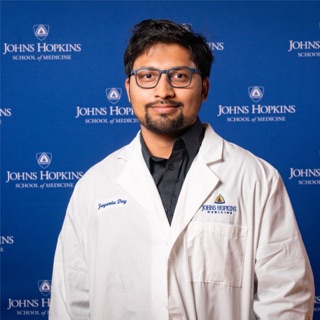
Jayanta Dey, PhD
AI researcher with the MATRIX AI Consortium at UT San Antonio.
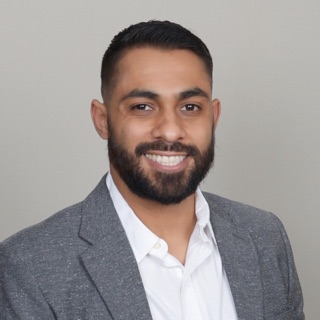
Christian Cruz
AI engineer with the MATRIX AI Consortium at UT San Antonio.
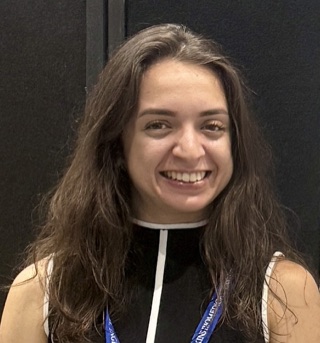
Gloria Manavi
Researcher with the MATRIX AI Consortium at UT San Antonio.
Institutional affiliations are stated for identification only. They describe where a person works and do not imply that the institution endorses, sponsors, or is affiliated with Selja. Full statement.
Three constraints we hold ourselves to, even when overclaiming would be easier.
Selja supports the physician's judgment and never decides on its own.
A trauma forces parallel streams of clinical decisions: ATLS, stabilization, family communication, transfer logistics. Selja puts what the transfer decision needs in one place.
The stakes are too high to deploy untested. Validation across multiple trauma centers comes before clinical use.
Sending-facility physicians, trauma medical directors, health systems, and research partners. If your work touches the trauma transfer decision, we would like to hear from you.
A call with the founders, usually within a few business days. By contacting us you agree to our Terms of use and Privacy policy.